Commercial Asphalt Paving vs. Concrete: Which Is Better for Businesses
People seeking commercial asphalt paving installation are typically looking to create durable, smooth surfaces for their business, and local contractors can provide expert installation to meet these needs.
Choosing between commercial asphalt paving and concrete for business properties is a decision that many property owners in the area face when planning new installations or upgrades. This topic is especially relevant for those seeking durable, cost-effective, and practical solutions for parking lots, driveways, or other paved surfaces. Understanding the differences can help property owners make informed choices that align with their operational needs and long-term goals. Local contractors specializing in asphalt paving installation can provide valuable insights and expert assistance, ensuring the chosen material meets the specific demands of the business environment.
Exploring the advantages and considerations of commercial asphalt paving versus concrete can reveal which material might be better suited for a particular property. Factors such as longevity, maintenance, and overall performance are key to making the right decision. Property owners interested in optimizing their outdoor spaces often turn to experienced local service providers who can handle the installation process efficiently. Keep reading to learn more about the practical differences and how local contractors can help bring the best solution to life for your business needs.
- Commercial asphalt paving - ideal for businesses needing durable, smooth surfaces for parking lots and driveways, with local contractors focusing on proper grading and layering.
- Commercial concrete installation - suitable for projects requiring heavy load capacity and a long-lasting finish, with service providers emphasizing precise formwork and finishing techniques.
- Asphalt resurfacing services - needed when existing pavement shows signs of wear, with local pros applying patching and sealing methods to extend lifespan.
- Concrete repair and replacement - essential for fixing cracks or damage in existing concrete surfaces, with contractors utilizing specialized tools for seamless repairs.
- Paving material comparison consulting - helpful for businesses evaluating whether asphalt or concrete aligns better with their operational needs, with local experts providing tailored recommendations.
When searching for information about commercial asphalt paving versus concrete, most people are trying to determine which material best suits their business’s specific needs. This comparison often comes up during planning or renovation projects for parking lots, driveways, loading zones, or other paved surfaces that support daily operations. Property owners and managers may be considering factors like durability, maintenance, appearance, and cost to decide which material will provide a long-lasting and functional solution. The decision is usually driven by the type of property involved, such as retail centers, office complexes, industrial facilities, or hospitality venues, where the paving needs to withstand frequent vehicle traffic and heavy loads.
The choice between commercial asphalt paving and concrete is closely linked to the problems or plans that property owners face. For example, a business looking for a quick installation with minimal disruption might lean toward asphalt, which generally cures faster and can be ready for use sooner. Conversely, a property that prioritizes a more polished appearance or requires a surface that resists cracking over time might consider concrete. These considerations are relevant for projects involving new construction, resurfacing existing surfaces, or expanding parking capacity. Local service providers specializing in commercial paving can assess these needs and recommend the most appropriate material based on the specific conditions and goals of each project.
Properties that typically come up in discussions about commercial paving include large parking lots, loading docks, access roads, and outdoor service areas. These spaces often experience high vehicle turnover and need to support heavy equipment or frequent traffic. Commercial asphalt paving is often favored for these applications because of its flexibility, ease of repair, and ability to accommodate quick installation. Concrete, on the other hand, is frequently chosen for properties where a more durable, low-maintenance surface is desired, such as in front of retail stores or office buildings. Local contractors who specialize in commercial paving can help property owners evaluate their property’s unique requirements and recommend the best material for long-term performance.
Understanding how commercial asphalt paving compares to concrete helps property owners make informed decisions about their projects. While asphalt is typically more cost-effective initially and easier to repair, concrete can offer a longer-lasting, more polished appearance with less ongoing maintenance. The choice depends on factors like the expected traffic volume, load requirements, desired aesthetics, and budget considerations. Local commercial paving installation professionals play a vital role in guiding property owners through these decisions, ensuring the selected material aligns with the property’s operational needs and long-term plans. Connecting with experienced contractors can help ensure a durable, functional paved surface that supports the business’s daily activities.
Parking Lot Resurfacing - professionals experienced in asphalt and concrete resurfacing can help businesses maintain durable and smooth parking areas, which is essential when comparing asphalt paving vs. concrete.
Driveway Construction - local contractors skilled in driveway installation understand the considerations of material choice, planning, and surface preparation relevant to commercial paving decisions.
Sidewalk and Walkway Installation - service providers with expertise in paving materials can assist in creating accessible and long-lasting walkways, highlighting differences between asphalt and concrete options.
Loading Dock Paving - specialists who handle heavy-duty paving projects are familiar with the demands of commercial surfaces, which is useful when evaluating asphalt vs. concrete for high-traffic areas.
Industrial Paving Projects - contractors experienced in large-scale paving work can offer insights into material performance and planning for various business environments.
Sealcoating and Surface Repair - local asphalt specialists provide maintenance services that extend the lifespan of paved surfaces, relevant when considering long-term benefits of asphalt versus concrete.
When evaluating commercial asphalt paving installation services, it is important to consider the experience of local contractors with similar projects. A contractor’s familiarity with commercial paving needs-such as parking lots, driveways, or lot expansions-can influence the quality and durability of the finished work. Homeowners should inquire about the types of projects a service provider has completed in the past to ensure they have relevant experience. This helps to gauge whether the contractor understands the specific demands of commercial paving and can deliver results that meet expectations for longevity and performance.
Clear written expectations are essential when comparing service providers for commercial asphalt paving versus concrete. A reputable contractor should provide detailed proposals that outline the scope of work, materials to be used, and any warranties or guarantees offered. Having these details in writing helps prevent misunderstandings and ensures that both parties are aligned on project goals. Homeowners are encouraged to ask for comprehensive documentation before making a selection, as this demonstrates professionalism and a commitment to transparency.
Effective communication and reputable references are key indicators of a trustworthy contractor. Service providers who are responsive and willing to answer questions about their experience, methods, and previous work can foster confidence in their ability to manage the project smoothly. Additionally, requesting references from past clients who had similar commercial paving projects can provide insights into the contractor’s reliability and quality of work. When choosing between options, homeowners should prioritize contractors who maintain open communication channels and can offer verifiable references, as these qualities often contribute to a more successful and stress-free project experience.
Property owners often search for commercial asphalt paving vs. concrete: which is better for businesses when they are planning practical projects around their homes and businesses. Local pros provide Commercial Asphalt Paving Installation services for everyday jobs and straightforward project options.
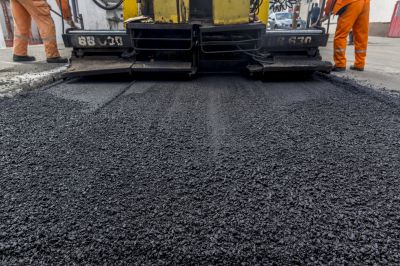
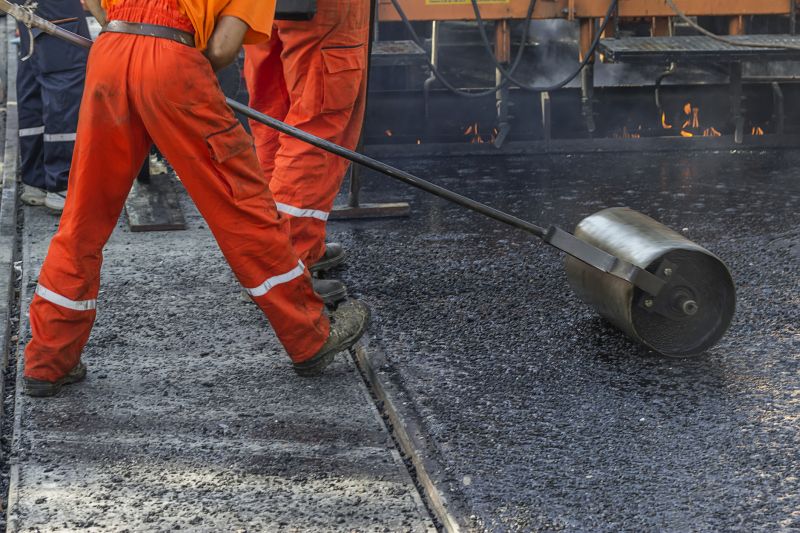
When considering options for commercial paving projects, property owners often compare asphalt and concrete to determine which material best suits their business needs. Asphalt tends to be favored for its quick installation and ease of maintenance, making it a practical choice for driveways, parking lots, and access roads that require frequent use and repairs. Concrete, on the other hand, offers durability and a longer lifespan, which can be advantageous for high-traffic areas or locations where a more polished appearance is desired. Local contractors experienced in commercial paving can help evaluate the specific conditions of a property and recommend the most suitable material based on factors like traffic volume, budget, and desired longevity.
Business owners looking into commercial asphalt paving installation services often consider how each material performs in everyday situations. Asphalt generally provides a smoother surface that can be resurfaced or repaired with minimal disruption, which is helpful for busy commercial sites that need to stay operational. Concrete may require a longer initial installation but can withstand heavy loads and harsh conditions over time, reducing long-term maintenance needs. Local paving specialists can guide property owners through these choices, ensuring the selected material aligns with their operational demands and property characteristics for optimal results.
What are the main differences between commercial asphalt paving and concrete for business properties? Commercial asphalt paving typically offers quicker installation and easier repairs, while concrete provides a longer-lasting surface that can withstand heavy loads. Local contractors can help determine which material suits a specific business’s needs based on usage and durability requirements.
Which material is better suited for high-traffic areas in commercial settings? Asphalt is often preferred for high-traffic areas due to its flexibility and ease of maintenance, whereas concrete is more resistant to wear and can handle heavy loads over time. Local service providers can advise on the best choice based on traffic volume and load demands.
How do maintenance needs compare between asphalt and concrete for commercial properties? Asphalt generally requires regular sealing and crack repairs, but repairs are typically easier and less costly. Concrete may need less frequent maintenance but can be more challenging to repair if damaged. Local contractors can provide guidance on ongoing upkeep for each material.
Are there environmental or climate considerations when choosing between asphalt and concrete? While this FAQ focuses on practical aspects, local pros can assess climate factors such as freeze-thaw cycles or heat, which influence the longevity and performance of asphalt and concrete surfaces for businesses.
Can local contractors customize asphalt or concrete surfaces for specific business needs? Yes, experienced service providers can tailor paving solutions with features like specific textures, markings, or drainage options to meet the operational requirements of different businesses. They can help determine the best approach for each project.
Durability considerations - Property owners can evaluate the expected traffic and usage to decide whether asphalt or concrete will hold up better over time, with local contractors providing insights on material strength.
Maintenance planning - Planning for future upkeep helps determine which paving material fits the business's operational needs, and local service providers can advise on long-term maintenance requirements.
Surface aesthetics and branding - Choosing a paving option that complements the business’s visual identity can enhance curb appeal, with local pros offering customization options for either material.
Application suitability - Analyzing the specific project environment, such as parking lot size or load demands, can guide property owners to select the appropriate paving material, with local contractors offering tailored solutions.
If you are thinking about commercial asphalt paving vs. concrete: which is better for businesses for a property, this guide is meant to help you understand this topic, the typical project types, and how different options might fit your plans.
When you are ready, you can use the quote form on this page to share a few details about your project. From there, local pros can review the basics and follow up with options that match what you have in mind.